Modern vehicle lighting systems have evolved from simple incandescent reflectors into complex, high-value electronic arrays. Today’s adaptive LED matrix headlights and laser lighting systems contain sensitive printed circuit boards (PCBs), cooling fans, and precision optics. While lighting technology has advanced rapidly, the fundamental need to protect these delicate internals remains constant. Moisture, dust, and severe temperature fluctuations are the primary enemies of vehicle lighting.
At Kingtom Rubber & Plastic Co., Ltd., we engineer Automotive Lamps Rubber Parts designed specifically to handle the thermal cycling and environmental abuse that vehicle exteriors endure daily. Backed by over 25 years of specialized polymer manufacturing experience and strict adherence to IATF 16949 and ISO 14001 standards, our production lines focus on one objective: ensuring your lighting systems maintain a flawless hermetic seal over the entire lifespan of the vehicle.
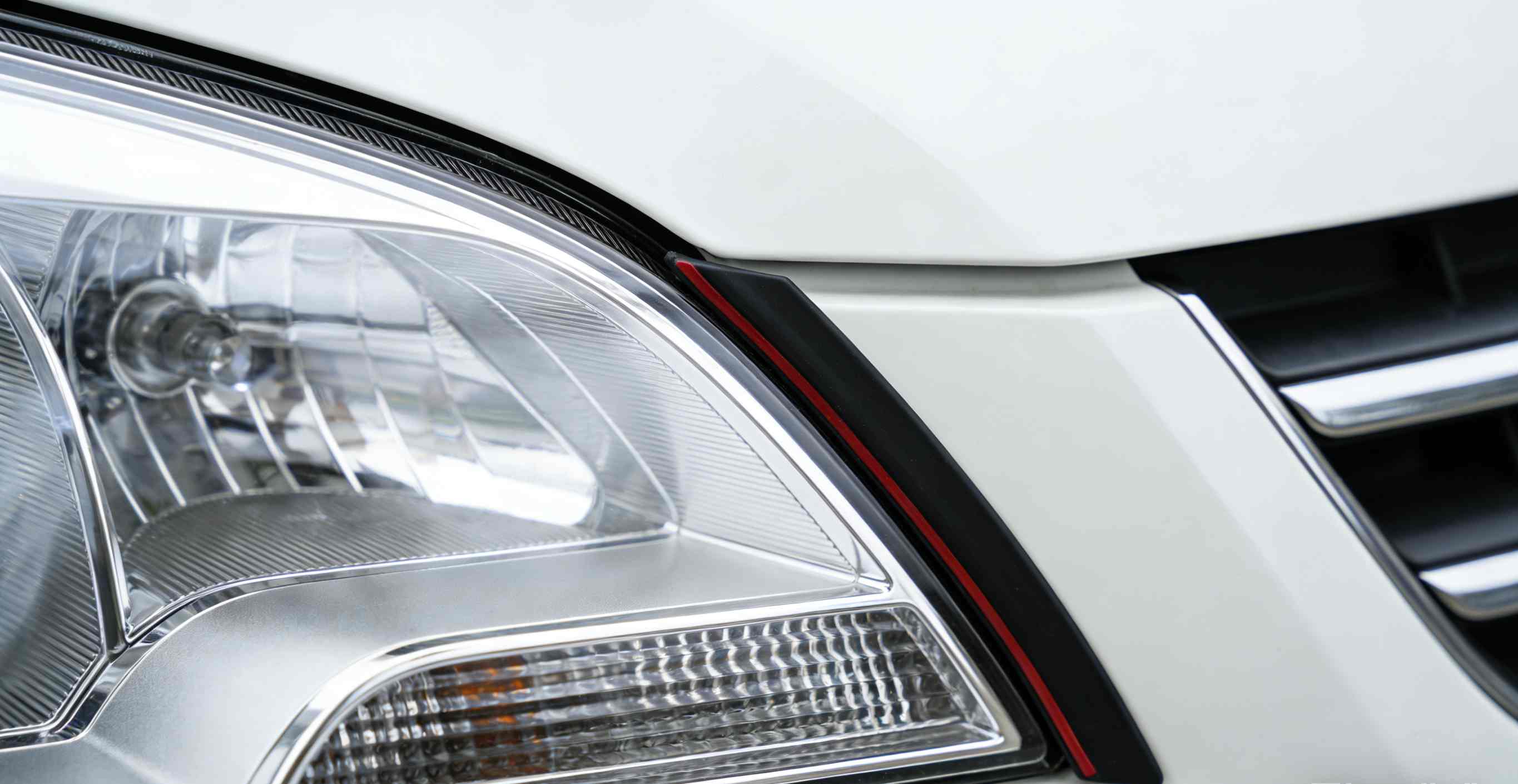
The environment inside a headlamp housing is highly volatile. High-output lighting components generate significant localized heat. When a vehicle is driven in freezing rain or passed through an automatic car wash, the sudden drop in exterior temperature creates a vacuum effect inside the sealed housing.
If a gasket is inadequate, lacks proper compression recovery, or has degraded due to UV exposure, capillary action will draw moisture directly into the unit. Industry failure analysis indicates that compromised sealing is the leading root cause of exterior lighting warranty claims.
Table 1: Failure Modes in Automotive Lighting Assemblies
Failure Mechanism | Percentage of Claims | Primary Root Cause | Impact on Assembly |
Moisture Ingress | 48% | Seal degradation, poor compression set | Short-circuited LED drivers, corrosion |
Lens Outgassing | 22% | Volatile organic compounds (VOCs) in cheap rubber | Permanent hazy film on internal lens |
Vibration Fracture | 15% | Lack of acoustic/vibration dampening trim | Broken mounting tabs, cracked solder joints |
Housing Cracking | 10% | Poor accommodation of thermal expansion | Structural failure, total water ingress |
Other | 5% | Manufacturing defects, external impact | Varies |
To combat these issues, the rubber compounds used in automotive lighting must exhibit an exceptional compression set. This metric ensures the rubber continuously pushes back against the mating surfaces, maintaining a weatherproof barrier even after years of being squeezed between plastic housings under extreme heat.
Designing the perfect seal requires selecting the correct base polymer and fine-tuning the chemical additives to resist specific environmental threats. Standard commercial rubber will dry rot or crack within months when exposed to engine bay heat and road salt. Automotive applications demand highly specific formulations.
A major concern in modern sealed LED housings is outgassing. Inferior rubber compounds release chemical vapors when heated. These vapors condense on the cooler interior surface of the polycarbonate lens, creating a permanent, milky haze that degrades light output. Our engineers specifically formulate low-VOC compounds to prevent outgassing entirely.
Table 2: Polymer Performance in Lighting Applications
Material Profile | Heat Tolerance | Ozone / UV Resistance | Compression Set Recovery | Ideal Automotive Application |
EPDM | -40°C to 150°C | Excellent | High | Primary headlamp lens gaskets |
SBR / NBR Blends | -30°C to 100°C | Good | Moderate | Exterior weatherstripping, panel trim |
Silicone (VMQ) | -50°C to 200°C | Outstanding | Very High | High-heat projector lens seals |
Neoprene (CR) | -35°C to 120°C | Good | Moderate | NVH isolation pads, mounting buffers |
Our engineering team evaluates the exact thermal footprint and environmental exposure of your lamp design to select and mix the precise compound required for maximum durability.
The channel where the clear polycarbonate front lens meets the rear polypropylene housing is the most vulnerable point of any lighting assembly. Our Automotive Headlamp Lens Gasket is engineered specifically to secure this critical interface.
Instead of relying on liquid sealants (which are prone to uneven factory application and require long curing times), a precision-molded rubber gasket provides immediate, uniform, and measurable sealing pressure. These gaskets are engineered with specific cross-sectional profiles—such as ribbed or hollow O-ring designs—to absorb the differing thermal expansion rates between the rigid clear lens and the opaque rear housing.
During our molding process, we maintain extremely tight dimensional tolerances. A deviation of a fraction of a millimeter can lead to localized pressure points that may crack the plastic lens during assembly, or conversely, leave a microscopic gap for capillary water entry. Our automated injection and compression molding processes ensure uniform thickness and consistent Shore A hardness across the entire geometry of the gasket, reliably achieving IP67 and IP68 waterproof ratings.
Beyond the primary internal seal, the exterior gaps between the lamp housing and the vehicle’s sheet metal require careful management. This is the exact application for our Automotive Lamp Sealing Trim.
Crafted from premium SBR/NBR materials or highly weather-resistant EPDM, this flexible weatherstrip serves a dual engineering purpose:
Fluid Management: It bridges the panel gap, acting as a gutter to direct rainwater, snowmelt, and high-pressure car wash runoff away from the sensitive wiring harnesses and electrical connectors located behind the lamp assembly.
NVH Dampening: Vehicles experience constant NVH (Noise, Vibration, Harshness) transmitted through the chassis from the road. Rigidly mounted plastic housings are highly susceptible to vibration damage. The sealing trim cushions the lamp assembly against the metal body panels, absorbing kinetic energy and preventing micro-fractures in the plastic mounting tabs and internal PCB solder joints.
To optimize assembly line efficiency, we manufacture this trim with optional high-tack, automotive-grade self-adhesive backing (such as 3M acrylic foam tape). This allows OEM line workers or aftermarket installers to quickly route the weatherstripping around complex, curved housing geometries without requiring mechanical clips or fasteners.
Producing a single prototype gasket is straightforward; scaling production to millions of identical, high-performance parts requires absolute process control. Operating under IATF 16949 certification means our quality management systems utilize Advanced Product Quality Planning (APQP) and the Production Part Approval Process (PPAP) to guarantee defect-free manufacturing.
Before any batch leaves our facility, it undergoes rigorous physical testing:
Thermal Shock Chambers: Parts are rapidly transitioned from -40°C to +105°C to simulate years of seasonal weather changes and engine heat cycles in a matter of days.
Ozone Resistance Testing: Rubber samples are placed in testing chambers (typically 50 pphm at 40°C for 72 hours) under mechanical strain to ensure the material will not crack or become brittle when exposed to atmospheric ozone and UV radiation.
Rheometer Verification: Every batch of raw, uncured rubber is tested to verify its chemical curing characteristics before it ever enters a mold, ensuring consistent tensile strength and elasticity in the final product.
When your supply chain requires sealing components that cannot fail, partnering with a manufacturer that understands the chemistry and physics of automotive environments is critical.

// Get Latest Company News
Newsletter Subscription